
 Version imprimable
A weakened regime
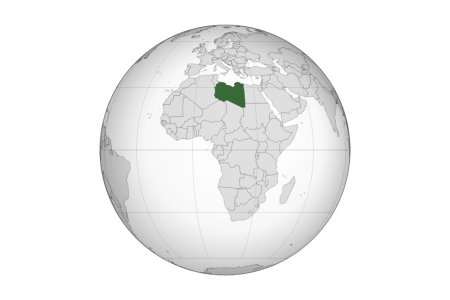
Both clans are facing significant difficulties. Dbeibah has had to deal with strong popular mobilizations that have taken place in Tripoli, but also in other cities such as Ain Zara or Hay al-Andalus, to protest against electricity cuts and, more generally, against the deterioration of living conditions. Although one of the organisations, Harak Abna’ Souq al-Jumaa, has put an end to the civil disobedience campaign, tension remains high. Especially since Dbeibah’s power is based on different militias, which sometimes clash with each other, as in the oil town of Zawiya.
The Haftar clan is facing other difficulties. Khalifa Haftar has chosen his successor, Saddam, as head of the army, from among his five sons, causing turmoil, particularly within the military apparatus. The attack that cost the life of Fawzi Al-Mansouri, head of the intelligence services, has undermined the discourse on total control by the security forces, which is so popular with European countries. Finally, the alliance between Haftar and the tribes of the south, particularly in the Fezzan region, has been shattered with the creation of an armed militia led by Mohamed Wardougou.
The Boulos plan
At the international level, Turkey, which supports Dbeibah, as well as Egypt and the United Arab Emirates, who support Haftar, have met with the opposing camp on both sides. It is in this context that the United States is making its diplomatic comeback with its plan, which aims to reunify the country from above, with a single administration, government and army.
The program would consist of appointing Saddam Haftar as president, while Dbeibah would retain his position as prime minister. The Haftar clan, favoured by this plan, is showing its goodwill by playing a central role in the release of the American hostage, the missionary Kevin Rideout, in Mali. The Libyan oil company National Oil Corporation has just paid its debts to American companies, including Baker Hughes and Halliburton.
As for Dbeibah, he has to deal with the militias. While some are opposed to the project, others are more circumspect, understanding that their opposition would place them outside the new government.
Financial and strategic gains
The United States is motivated by economic issues: to get its hands on oil reserves and to allow American companies to take advantage of a market with high potential. It is also a question of beating the pawn of the Russian troops of Africa Corps, present alongside the Haftar clan, and of strengthening their military grip on North Africa.
There is a risk that the Boulos plan will further destabilize the country, where everyone will seek to consolidate their power or acquire a new one, including by force. Indeed, power, whether acquired through negotiation or by arms, allows enrichment through smuggling, corruption and human trafficking.
The United States is playing the role of sponsor to establish peace between gangs, while removing the prospect of Libyans deciding the future of their country themselves by profoundly renewing the political offer.
28 August 23026
Translated by International Viewpoint from l’Anticapitaliste.