
 Version imprimable
Networks in the hands of a crooked elite
Recruitment targets two types of profiles. Young women are recruited to provide labour for the Alabuga military-industrial complex in the Tatarstan Republic. They are promised training and a good salary. Advertising campaigns carefully hide the fact that it is a question of working in factories manufacturing drones intended for the conflict, sometimes exposed to Ukrainian shelling.
A more discreet recruitment targets men sent to the front. The promises of employment evoke non-combatant jobs — drivers, nurses or cooks — but the reality is quite different. These networks, which are very lucrative, are run by businessmen and politicians. In Uganda, for example, MP Edson Rugumayo, a member of the ruling party and youth delegate, plays a key role. In South Africa, businesswoman Lebogang Zulu, her country’s representative to the BRICS Women’s Business Alliance, is also involved, as is one of the daughters of former president Jacob Zuma, whose party, the MK, has openly pro-Russian positions.
The most emblematic case remains that of Kenya, where William Ruto’s government is actively encouraging young people to emigrate. Alfred Mutua, Minister of Labour, encouraged young people to go and work in Russia as part of the labour mobility programme, helping to legitimize the idea that the country was a safe destination. This is how hundreds of
Kenyans found themselves on the front.
From hope to hell
For young women, living and working conditions are particularly difficult. The real salary is much lower than what they were promised. Surveillance is constant, they cannot go out freely and live confined in dormitories. They handle toxic products without any protection.
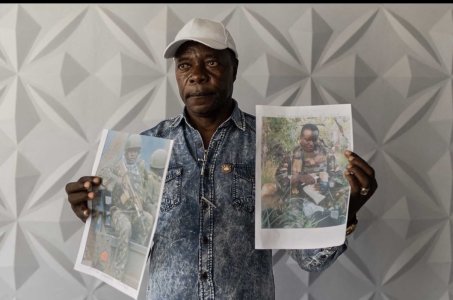
As for the young men, as soon as they arrive at the airport, their passports are confiscated. They sign a contract in Russian, which they do not understand, then undergo a two-week basic marksmanship training before being sent to the front, often in the most dangerous areas. Their regiments are mainly made up of foreigners, but also Russians who have been released from prison or are addicted to drugs. Sometimes the only way out is to intentionally injure yourself or try to cross Ukrainian lines. Without a passport, their repatriation becomes almost impossible.
The mobilizations of the families have helped to highlight this human trafficking, made possible by the duplicity of an African elite complicit in a criminal Russian military hierarchy.
19 February 2026
Translated by International Viewpoint from l’Anticapitaliste.