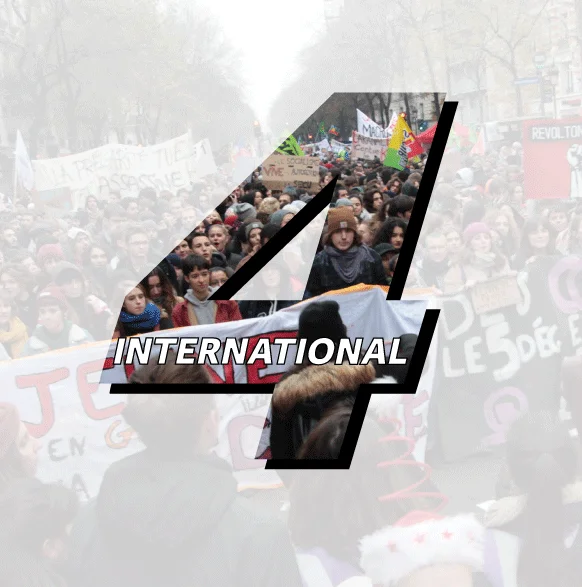
Since the collapse of Yugoslavia in the early 1990s, Serbia has been going through a permanent structural crisis. The destruction of the Yugoslav state not only produced new nation-states: it paved the way for accelerated capitalist development, imposed under imperialist pressure, which profoundly reconfigured class relations in the region.

Popular mobilization under an authoritarian regime
28 January, by ,Over the past year, Serbia has been swept by a mobilization—primarily student-led—of unprecedented scale since the fall of Milošević. The movement challenges the lack of democracy, corruption, and authoritarian practices of the current regime.

“The independent media played a crucial role in documenting the protests and making student demands visible”
28 January, by ,“In the face of threats to press freedom in Serbia, and in particular state pressure, a coalition has been created to demand and act for independent information. Press freedom in Serbia is in serious decline: threats, harassment and attacks are frequent, and institutional protection is increasingly unreliable. ”

Europe’s death chamber
28 January, byThey are Baloch, Moroccan or Afghan. Crowded into camps around Belgrade, some of them attempt ‘games’, i.e. they try to cross the border with smugglers. The others, resigned to their fate, learn to live in appalling conditions. Since the closure of the Balkan route, Serbia has established itself as Europe’s border guard.
The EU and green colonialism in Serbia
28 January, byEnvironmental struggles and protests against the destruction of the natural environment are common in the Balkans, and Serbia is no exception. The most recent and symbolic of these is the protest against the installation of lithium mines in the west of the country. During our trip, we met with an activist from the anti-extractivist collective Marš Sa Drine in a hotel in downtown Belgrade, away from the prying ears of the Vučić regime.